

Small Insights, Big Change.
Thoughts Worth Exploring

Facing a fear doesn’t always mean jumping straight into the hardest version of it. Sometimes starting small helps us build confidence, while taking a bigger step can give us different information about what actually happens. Learn how both approaches can help us move beyond what anxiety predicts and start learning from experience.

Anxiety often begins before the worry, panic, or need for reassurance appears. It starts in the subtle moment when our minds move from the facts of what is happening into the possibilities of what could happen. Learning to recognize when your mind leaves reality, and how to return, can change the way you respond to anxiety.

You already know the odds are low. You've talked yourself through it, listed every reason the worst-case scenario is unlikely. And you're still anxious. That's not a failure of logic, that's catastrophizing. And the reason it's so hard to stop isn't what most people think.
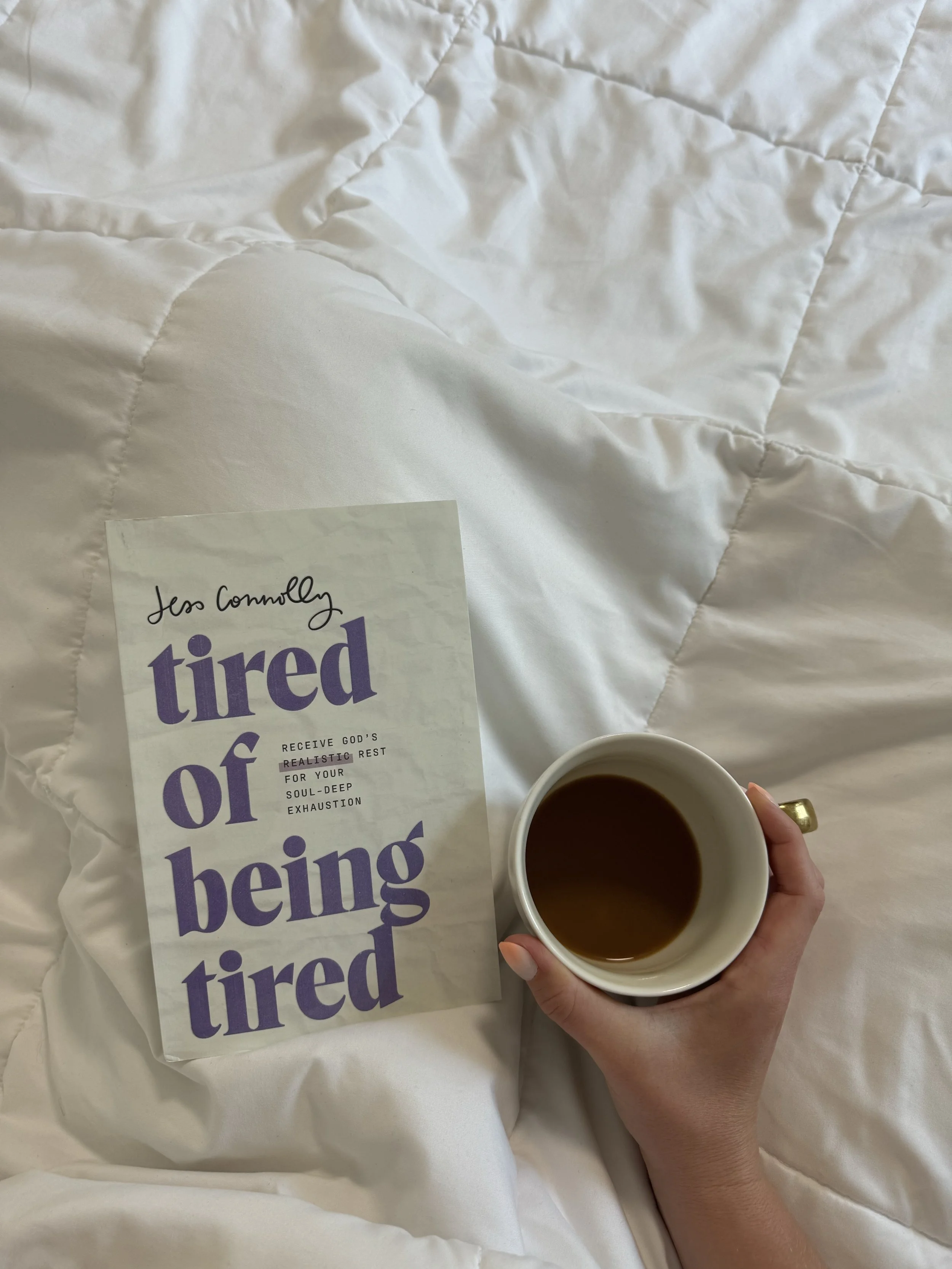
If you have ADHD or anxiety and struggle with sleep, you're not alone, 70% of people with ADHD have a diagnosed sleep disorder and anxiety is strongly linked to insomnia and poor sleep quality. Explore why ADHD and anxiety affect sleep, the most common sleep disorders, and evidence-based skills that can actually help you get the rest you deserve.

Struggling to focus, procrastinating, or constantly overthinking? Anxiety and ADHD can look surprisingly similar, but the root causes are different. In this post, we break down the difference between anxiety vs ADHD, including how fear-based patterns differ from regulation-based challenges, and how to tell what might actually be going on.

Anxiety doesn’t always look like panic. Sometimes it looks like planning, predicting, and trying to prevent problems before they happen. But when we try to control outcomes to avoid feeling upset, we may be avoiding something deeper. This post explores why stepping back can be healthier than stepping in.
Anxiety
ADHD

Nobody likes rejection. But for some people with ADHD, criticism, disappointment, or even the possibility of rejection can hit especially hard. Rejection sensitivity may leave you replaying conversations, reading into small changes, or wondering what you did wrong, even when you don't have the full story.

Having an entire day free sounds relaxing, until it’s 2:00 p.m. and you’re still figuring out what to do first. For adults with ADHD, less structure can sometimes mean more decisions, fewer starting points, and difficulty actually enjoying downtime. Learn how adding just enough structure can make free time feel more manageable.
If you have ADHD or anxiety and struggle with sleep, you're not alone, 70% of people with ADHD have a diagnosed sleep disorder and anxiety is strongly linked to insomnia and poor sleep quality. Explore why ADHD and anxiety affect sleep, the most common sleep disorders, and evidence-based skills that can actually help you get the rest you deserve.
Struggling to focus, procrastinating, or constantly overthinking? Anxiety and ADHD can look surprisingly similar, but the root causes are different. In this post, we break down the difference between anxiety vs ADHD, including how fear-based patterns differ from regulation-based challenges, and how to tell what might actually be going on.

Why do we overexplain when setting boundaries or saying no? Sometimes, giving too many reasons can turn a simple decision into a negotiation. Learn why overexplaining happens, how people pleasing can keep the cycle going, and how to communicate boundaries without feeling like you have to defend every decision.

Not all boundaries are the same. Some are firm and non-negotiable. Some are flexible and chosen intentionally. And some are passive where we say yes even when we mean no. Understanding the difference can change how you show up in relationships and help you honor yourself without feeling selfish.

Sometimes, no matter how much we care, we can’t make someone change. As a therapist, I’ve learned that offering guidance, tools, and support is meaningful but it doesn’t guarantee someone will use them. Learning to hold space, respect autonomy, and set boundaries is essential, both in therapy and in life.

Saying no isn’t about being selfish, it’s about honoring your needs and protecting your sense of self. This post explores why saying no feels so hard, how fear of abandonment keeps us stuck in yes, and how practicing no can lead to healthier, more authentic relationships.
Boundaries

Sometimes we grieve relationships that haven't ended. Explore why we miss earlier versions of our relationships, the people we used to be, and how to navigate change without losing sight of what matters now.
One of the hardest parts of a breakup is knowing things could have been different. But recognizing that a relationship had potential doesn’t mean you had the power to fix it alone. Learn how separating possibility from responsibility can help you accept the relationship you actually had.

Why do relationships often make more sense after they've ended? Explore how attention, hindsight, and memory shape the way we understand past relationships and why we tend to remember moments instead of patterns. Learn why questioning yourself is a normal part of healing, why reminders can matter, and how understanding your own mind can help you make more intentional decisions moving forward.

Strong relationships aren't built only through life's biggest milestones. They're built in the small, everyday moments. Learn how "turning toward" your partner can strengthen connection and why those seemingly insignificant interactions matter more than you think.
Conflict is a normal part of every relationship, but certain communication patterns can slowly erode trust and connection over time. Learn about the Gottman Method's Four Horsemen: criticism, defensiveness, contempt, and stonewalling. Discover healthier ways to navigate conflict.

Your partner says they want to move forward together. They promise "soon." But months pass and nothing happens. You're left wondering: are they actually committed, or just telling you what you want to hear? When words and actions don't match, trust erodes, and you need more than promises to believe in a shared future.

Secure attachment is not about perfection, it is about feeling safe, seen, valued, and supported in a relationship. Learn five emotional needs that help love feel steady, healthy, and real.

It hurts when your friends don’t show up the way you expected, especially when you would’ve done it for them. But before you assume the worst, take a step back. The full picture might be more complicated than it feels in the moment.
Relationships

Before a big change, we worry we’ll regret it. Afterward, we wonder why we waited so long. But change rarely comes with perfect timing or certainty. Sometimes the better question isn’t “Why didn’t I do it sooner?” but “What finally made it possible for me to do it now?”

Why do we overexplain when setting boundaries or saying no? Sometimes, giving too many reasons can turn a simple decision into a negotiation. Learn why overexplaining happens, how people pleasing can keep the cycle going, and how to communicate boundaries without feeling like you have to defend every decision.

ChatGPT can be a helpful tool for gaining perspective, but what happens when getting another opinion turns into needing reassurance? Learn how repeated reassurance-seeking can impact self-trust, how to recognize when AI is becoming a substitute for your own judgment, and how to use it in a healthier way.

Many of us give up on new habits after missing just one day, believing we've failed. Learn why focusing on repetition instead of consistency can reduce perfectionism, support ADHD brains, and help build lasting habits through small, meaningful progress.

Many women struggle with their relationship to their bodies. This post explores where those expectations come from and offers gentle, realistic ways to relate to your body with less judgment and more ease.